You are Enough. You are so Enough. It is unbelievable how Enough you are!
— Sierra Boggess
Welcome to my blog about Mental Illnesses. I know that everyone is talking about depression and anxiety and it can seem pretty redundant, but I am going to be focusing on some of the lesser know mental illnesses that only effect a small amount of the world’s population. While you may not know a lot of people with these issues, it is still good to have knowledge of them because you may meet someone new that does struggle with these and it’s good to know how to help them out. If you do struggle with any of these, I hope you know that there are people who are here for you to support you and help you as best we can. Thank you all so much for reading! Happy reading!
This is a severe mental disorder which affects how a person thinks, feels, and behaves. The person can often feel like they are disconnected from reality.
The symptoms of Schizophrenia often show up between the ages of 16 and 30. It is very rare, but children can also have Schizophrenia.
The symptoms of Schizophrenia are in 3 different categories.
Positive Symptoms
These symptoms are psychotic behaviors that you would not normally see in healthy people. With these, the person seems to “lose touch” with certain aspects of reality.
These symptoms include:
Hallucinations
Delusions
Thought disorders (unusual or dysfunctional ways of thinking)
Movement disorders (agitated body movements)
(NIMH)
Negative Symptoms
These symptoms usually disrupt people’s normal emotions and behaviors.
These symptoms include
“Flat affect” (reduced expression of emotions via facial expression or voice tone)
Reduced feelings of pleasure in everyday life
Difficulty beginning and sustaining activities
Reduced speaking
(NIMH)
Cognitive Symptoms
These symptoms can be subtle in certain patients, but can be severe in others. Some patients could notice changes in memory or other aspects of thinking.
These symptoms include:
Poor “executive functioning” (the ability to understand information and use it to make decisions)
Trouble focusing or paying attention
Problems with “working memory” (the ability to use information immediately after learning it)
(NIMH)
There are many factors that contribute to developing Schizophrenia. Genes and environment are one of the factors. Scientists believe there are multiple genes that contribute to the development of Schizophrenia. There is no single gene that contributes to this mental illness though. It is also not possible to use genetic information to predict the probability of who will and will not develop Schizophrenia.
Scientists also believe the interaction between genes and the individual’s environment are necessary for Schizophrenia to develop. These environmental factors may include:
Exposure to viruses
Malnutrition before birth
Problems during birth
Psycho-social factors
(NIMH)
Dopamine, glutamate, as well as other neurotransmitters are also thought to possibly play a role in the development of Schizophrenia.
Schizophrenia is treated with anti-psychotics. These can be taken in pill or liquid form every day or in injection form once or twice a month.
It can also be treated with psycho-social therapies. In psychotherapy, a person learns how to use coping skills that will help them learn how to live with Schizophrenia. This can help people struggling with it achieve goals. People who go through psychotherapy often have a lesser chance of being hospitalized.
Another treatment option is Coordinated Specialty Care. This uses “medication, psychosocial therapies, case management, family involvement, and supported education and employment services” (NIMH). These are all to help the people struggling and hopefully make their lives easier for them.
How can I help someone I know?
Talk to the person and let them know that you are there to support them and care for them. Learn everything you can about how to handle their episodes and help them through them.
Get them treatment and encourage them to stay in treatment
Remember that their beliefs or hallucinations seem very real to them
Tell them that you acknowledge that everyone has the right to see things their own way
Be respectful, supportive, and kind without tolerating dangerous or inappropriate behavior
Check to see if there are any support groups in your area
I know that very few people read my blog and that’s okay. To be honest, this was started for a school project and I never expected it to be popular. Mental Illness has had a huge impact on my life and I would like to help others struggling with it. I do hope that this blog does help people.
I am sorry that I have not been able to update weekly as I am supposed to, but I have been struggling with different mental illnesses for quite a long time and recently things have been getting harder to control which, in turn, makes it very difficult to find the motivation to get things done.
If you are struggling with a mental illness, I hope you know you are not alone and there are so many people, communities, and resources that can help you through whatever it is you are going through.
Thank you to those of you who follow my blog and read it. I really do appreciate it. I hope I have been able to help you and educate you on these topics.
I will be continuing to post more in the future, but if there is a mental illness you would like to learn more about, please let me know.
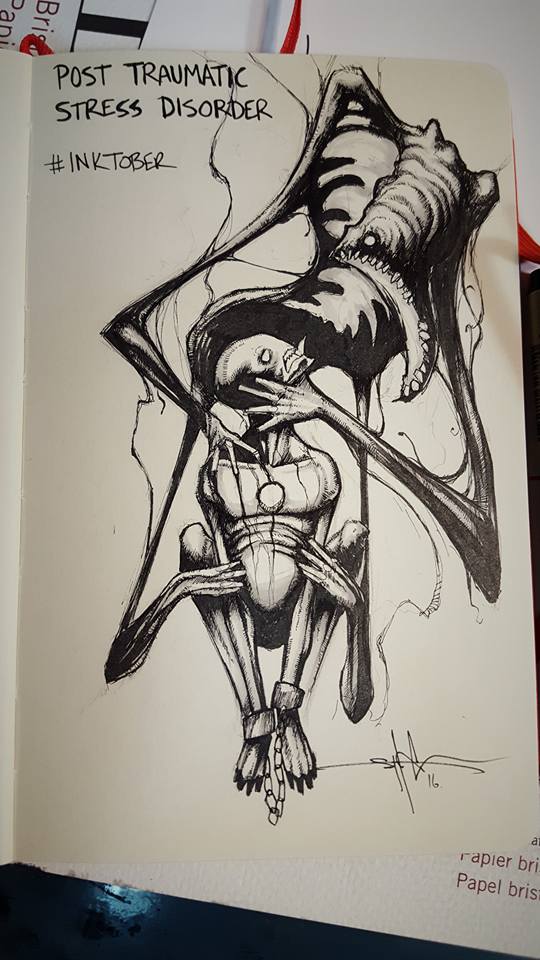
Post Traumatic Stress Disorder, or PTSD, is most commonly seen in war veterans, but it can happen to anyone that has experienced any range of traumatic events. These people have triggers that cause large levels of anxiety and fear when something reminds them of the event.
PTSD can be developed by survivors of any age. Some of the events that can cause PTSD are any firm of abuse, assault, car accidents, terrorist attacks, the sudden death of a loved one, and national disasters. The National Center for PTSD has found that “about 7 or 8 of every 100 people will experience PTSD at some point in their lives. Women are more likely to develop PTSD than men. Genetics can also make people more likely to develop PTSD.
Symptoms of PTSD can begin around 3 months or later after the traumatic event. Doctors with experience with PTSD patients can diagnose you, but to be diagnosed, you have to show 1-2 of each of the different types of symptoms for longer than a month.
The different types of symptoms and some examples are as follows:
Re experiencing symptoms
Ex.
Flashbacks—reliving the trauma over and over, including physical symptoms like a racing heart or sweating
Bad dreams
Frightening thoughts
(NIMH)
You must show at least one of these symptoms. These can cause problems in one’s everyday life. These can be triggered due to thoughts or feelings, or some words, objects, or situations that remind the person of the event.
Avoidance Symptoms
Ex.
Staying away from places, events, or objects that are reminders of the experience
Avoiding thoughts or feelings related to the traumatic event
(NIMH)
You must show at least one of these symptoms. Items or situations can trigger these symptoms. These can also cause a change in life and routine.
Arousal and Reactivity Symptoms
Ex.
Being easily startled
Feeling tense or “on edge”
Having difficulty sleeping, and/or having angry outbursts
(NIMH)
You must show at least two of these symptoms. These are usually a constant issue and not a triggered happening. This can make the person very stressed and angry at everything. These can also make it very hard to do everyday tasks.
Cognition and Mood Symptoms
Ex.
Trouble remembering key features of the traumatic event
Negative thoughts about oneself or the world
Distorted feelings like guilt or blame
Loss of interest in enjoyable activities
You must show at least two of these symptoms. These can either begin or worsen after the traumatic event. These can make the person feel alienated from their friends and family.
Children and teens can react differently than adults. Children less than 6 years old can have symptoms such as
Wetting the bed after having learned to use the toilet
Forgetting how or being unable to talk
Acting out the scary event during playtime
Being unusually clingy with a parent or other adult
(NIMH)
Teens and children above the age of 6 usually show symptoms closer to those of adults, but they may not be as extreme. They may also become disruptive, disrespectful, or destructive. They also feel guilty for not being able to help prevent the situations. They could also feel the need for revenge.
There are risk and resilience factors for reasons people do and don’t get PTSD from traumatic experiences.
Risk Factors
Living through dangerous events and traumas
Getting hurt
Seeing people hurt or killed
Childhood trauma
Feeling horror, helplessness, or extreme fear
Having little or no social support after the event
Dealing with extra stress after the event, such as loss of a loved one, pain and injury, or loss of a job or home
Having a history of mental illness or substance abuse
(NIMH)
Resilience Factors
Seeking out support from other people, such as friends and family
Finding a support group after a traumatic event
Learning to feel good about one’s own actions in the face of danger
Having a coping strategy, or a way of getting through the bad event and learning from it
Being able to act and respond effectively despite feeling fear
(NIMH)
There is research being done to find out the genetics and neurology associated with PTSD. With this research, we may be able to predict who is most likely to get PTSD in the future.
PTSD can be treated as follows.
Psychotherapy
This is also known as “talk therapy”. There are many different forms of this, but they all involve talking to a liscenced therapist. This can be in a one on one or a group setting. This usually lasts between 6 and 12 weeks, but can be as long as needed. Some psychotherapy is aimed towards the symptoms, while others focus on the aspects of and relationships in the person’s everyday life. These psychotherapies can also be combined
One kind of Psychotherapy is Cognitive Behavioral Therapy. This can include
Exposure Therapy: This helps people face and take control of their fears. They are gradually exposed to their trauma in a safe way. This can be done through pictures, writing, or visits to the site of the traumatic event.
Cognitive Restructuring: This can help people “make sense of the bad memories” (NIMH) Sometimes the brain changes details and blocks out certain parts of a traumatic event as a defense mechanism to, in a way, protect the person.
(NIMH)
Other forms of Psychotherapy can teach people how to react to triggering events in a better way. Different types of therapy may
Teach about trauma and its effects
Use relaxation and anger control skills
Provide tips for better sleep, diet, and exercise habits
Help people identify and deal with guilt, shame, and other feelings about the event
Focus on changing how people react to their PTSD symptoms.
(NIMH)
Medications
The most common medications used to treat PTSD are antidepressants. These can help with symptoms such as sadness, worry, anger and numbness. Sometimes these can be prescribed along with Psychotherapy. Other medications can be prescribed to help with specific symptoms.
How to help a friend or relative suffering with PTSD
The most important thing you can do to help a friend or family member struggling with this is to help them get the right diagnosis and treatment plan. Help them and encourage them through their treatment. You can also
Offer emotional support, understanding, patience, and encouragement.
Learn about PTSD so you can understand what your friend is experiencing.
Listen carefully. Pay attention to your relative’s feelings and the situations that may trigger PTSD symptoms.
Share positive distractions such as walks, outings, and other activities.
Remind your friend or relative that, with time and treatment, he or she can get better.
You should also always watch out for signs of suicidal thoughts. Never ignore comments made about wanting to die or being “better off dead”. You can always call the National Suicide Prevention Lifeline (1-800-273-8255) or 911 in the event of an emergency.
How to help yourself while struggling with PTSD
This may be very hard, but always know that there is always someone to help you and support you through your recovery. You can
Talk with your doctor about treatment options.
Engage in mild physical activity or exercise to help reduce stress.
Set realistic goals for yourself.
Break up large tasks into small ones, set some priorities, and do what you can as you can.
Try to spend time with other people and confide in a trusted friend or relative.
Tell others about things that may trigger symptoms.
Expect your symptoms to improve gradually, not immediately.
Identify and seek out comforting situations, places, and people.
(NIMH)
Where to go for help
Your doctor and family can help you find the resources that are right for you. Some places you can go are
Mental health specialists, such as psychiatrists, psychologists, social workers, or mental health counselors
Health maintenance organizations
Community mental health centers
Hospital psychiatry departments and outpatient clinics
Mental health programs at universities or medical schools
Find additional information from NIMH online or receive paper brochures through the mail. You can order free NIMH publications online at www.nimh.nih.gov
For the most up-to-date information on this topic, please check the NIMH website, www.nimh.nih.gov
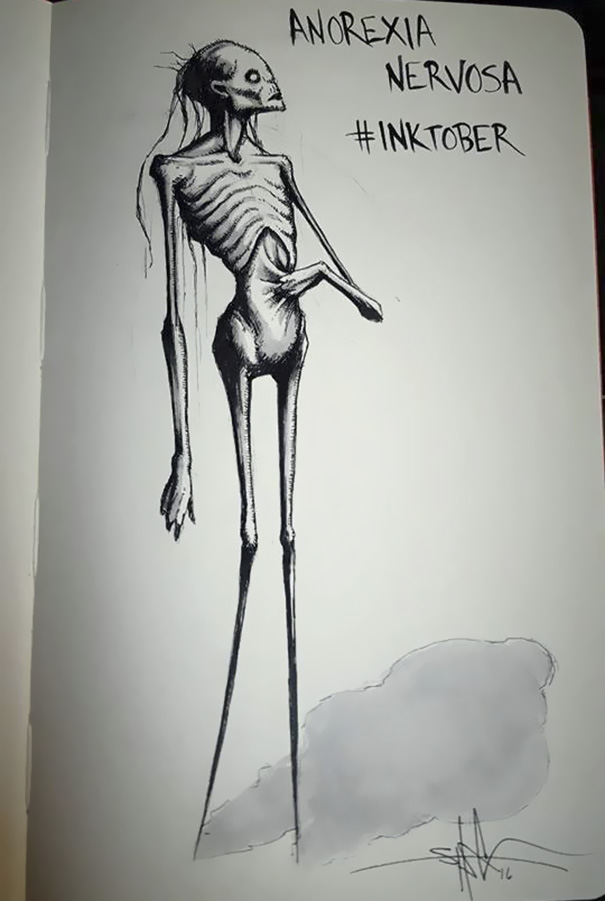
Eating disorders are not usually thought of as a mental health issue even though they are a very mental thing. Many people don’t believe eating disorders are as bad as they have been in years past, but what has happened is people are better at hiding them now with social media. There are many blogs on sites like Tumblr and Instagram that have “Thinspo” on them. These pictures and blogs are not necessarily meant to encourage eating disorders in others. They are usually more so a public way for people to express themselves and get through their struggles.
According to Lexico.com powered by Oxford, last updated in 2019, an eating disorder is “any of a range of psychological disorders characterized by abnormal or disturbed eating habits”. This means that by definition it is a mental illness and should be treated as such.
In the United States, there are about 30 million people suffering from eating disorders. These are very serious problems. Every 62 minutes one person dies from their Eating Disorder(s). These disorders kill more people than any other mental illness.
Eating Disorders are not specific only to specific genders, races, or sexual orientation. In a study, 3.5% of women and 2.1% of men of sexual minorities have reported having eating disorders.
In doing some math using Countrymeters.info. “United States of America (USA) Population” Sept. 26, 2019, As of Thursday, October 9, 2019, the population of the US was 332,295,998 (329,525,437) people. Of that, about 50.52% of people in the US are women. This means there are 168,250,288 (166,739,871.122) women in the US. Of that, approximately 0.9% or 1,514,252.592 (1,500,658.8401) women in the US are struggling Anorexia as of October 9th. Also, approximately 2.8% or 4,668,608.99142 (2,501,098.06683) women in the US are struggling with Bulimia. Men are more likely to have bulimia because they eat and then over exercise thinking it will make them more “buff”.
The chance of having an eating disorder is also 50-80% genetic.
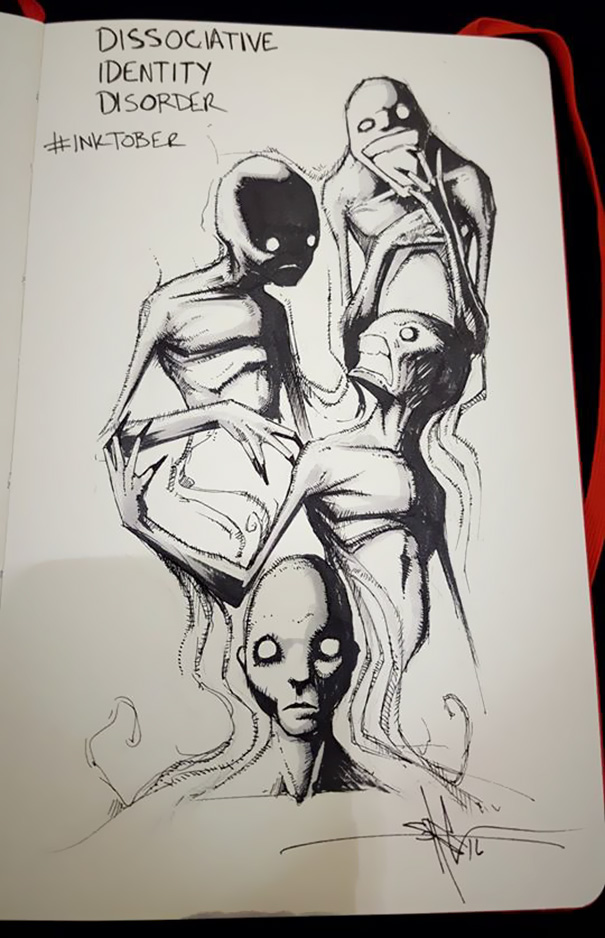
Dissociative Identity Disorder, formerly known as Multiple Personality Disorder, is a very rare condition. There are only less than 200,000 cases per year in the United States. The National Alliance on Mental Illness (NAMI) states, “almost half the adults in the United States experience at least one depersonalization/derealization episode in their lives”. Only 2% of these cases met the criteria to be considered a chronic episode. Women are more likely to eperience this than men.
Dissociative Identity Disorder is very commonly confused with Bipolar Disorder. While both have to do with personality, they are completely different. With Dissociative Identity Disorder people have episodes of 2 or more distinct personality states that are a “complete disconnection between someone’s thoughts, identity, consciousness and memory”. (NAMI)
Symptoms of Dissociative Identity Disorder are
Significant memory loss of specific times, people and events
Out of body experiences (feeling as if you are watching a movie of yourself)
Feelings of depression, anxiety and thoughts of suicide
A sense of detachment from your emotions, or emotional numbness
A lack of a sense of self-identity
(NAMI)
There are three different types of Dissociative Identity Disorder. The symptoms are shown differently in each of the different types. The first type is Dissociative Amnesia. The symptom that is most present in this disorder is the person loses memory of important details about themselves including their names and where they live. This can be caused by traumatic events such as abuse or even learning something about their family history.
The second type of Dissociative Identity Disorder is Depersonalization Disorder. This disorder has to do with the emotional side of things. The person will often feel detached from their actions, feelings, and thoughts. It usually feels as if they are watching themselves in a movie which is the sensation of depersonalization. These symptoms can happen in a few moments or they can become a continuous thing over the years of a person’s life. The “average onset age is 16” (NAMI), but some people can start feeling the symptoms even in early childhood. Only 20% of people first begin showing symptoms after the age of 20.
The third disorder is full blown Dissociative Identity Disorder which is when someone experiences an alternating personality change between multiple identities. They may seem to think there are voices trying to take over in their head. The identities often give themselves names, manners, and voices of their own as well. Many people with this disorder will experience small gaps of memory loss. Women are most likely to experience this as men usually deny their symptoms and react violently. This can lead to a false diagnosis.
These disorders are most usually experienced as the brain’s way to protect the person from memories of traumatic events. Some examples of the trauma that causes this are a child being long term physically, sexually, or emotionally abused. It can also be caused by experiencing a natural disaster or combat such as a war.
This disorder cannot be self-diagnosed. A doctor must diagnose because they can rule out other causes such as a head injury, brain tumor, sleep deprivation, and intoxication.
These disorders can be treated with psychotherapies, eye movement desesitization, and medication.
Bipolar Disorder is a disorder that many people misunderstand. It most commonly gets confused with Dissociative Identity Disorder (D.I.D.) which I will talk about in another post.
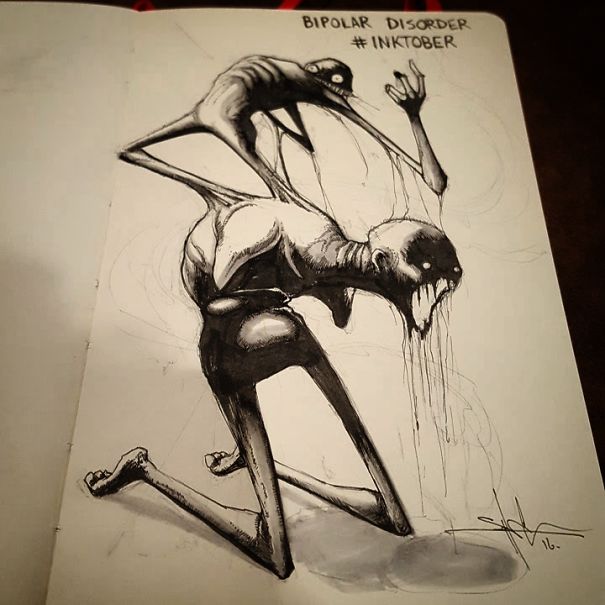
People with Bipolar Disorder can seem to have 2 completely different personalities. They usually have extreme mood swings that last for weeks at a time. It can cause extreme episodes of hyperness and depression. The depressive episodes can seem to be normal depression. Some common symptoms of a depressive episode with Bipolar Disorder are
Unusually low energy
Decreased activity levels
Feelings of hopelessness and despair
Loss of enjoyment in activities
Sleeping too little or too much
Trouble concentrating or remembering things
Suicidal thoughts
(Todd)
There are many different symptoms of the “mania” side of Bipolar Disorder. The most common symptoms are on the complete opposite side of the spectrum. According to the NIMH in Todd’s article, these include
Unusually high energy
Increased activity levels
Feeling wired or jumpy
Feelings of elation
Feelings of agitation or irritability
Feelings of overconfidence
Trouble sleeping
Talking unusually quickly
Trying to take on too many things at once
Engaging in risky behavior
(Todd)
The mood swings can be both mild and severe. Hypomania is one of the more mild elevations of “manic episodes”. While they still have the symptoms of an episode, they don’t have them as extremely.
People can experience all of these symptoms at once. These are called “mixed episodes”. This can be a time when the person starts making many high-risk decisions because they are feeling hopeless from the depression, yet they still have all the extra energy from the mania.
Photo by Shawn Coss, creator of the Inktober Illness and Phobia series.
There are many different types of this disorder. People with Bipolar 1 have manic episodes that usually last about a week, sometimes more. According to NIMH, these episodes are severe enough to “warrant immediate hospitalization” (Todd). This can also include the depressive side of the symptoms that usually last around 2 or more weeks. Some people can also have the mixed episodes that include symptoms of both mania and depression.
People with Bipolar 2 have depressive episodes as well as hypomania. This is different from Bipolar 1 because the mania in Bipolar 2 is less severe.
There is also a condition called Cyclothymia. This seems like it’s Bipolar Disorder, but the symptoms are too mild to be considered as such. This has both the high energy of the mania and the hopelessness of the depression. People with this disorder have a high chance of developing Bipolar Disorder.
The NIMH says others that have these symptoms, but that aren’t severe enough to be considered any of the previously mentioned diseases are categorized under the term “Other Specified and Unspecified Bipolar and Related Disorder” (Todd).
This is an example post, originally published as part of Blogging University. Enroll in one of our ten programs, and start your blog right.
You’re going to publish a post today. Don’t worry about how your blog looks. Don’t worry if you haven’t given it a name yet, or you’re feeling overwhelmed. Just click the “New Post” button, and tell us why you’re here.
Why do this?
Because it gives new readers context. What are you about? Why should they read your blog?
Because it will help you focus you own ideas about your blog and what you’d like to do with it.
The post can be short or long, a personal intro to your life or a bloggy mission statement, a manifesto for the future or a simple outline of your the types of things you hope to publish.
To help you get started, here are a few questions:
Why are you blogging publicly, rather than keeping a personal journal?
What topics do you think you’ll write about?
Who would you love to connect with via your blog?
If you blog successfully throughout the next year, what would you hope to have accomplished?
You’re not locked into any of this; one of the wonderful things about blogs is how they constantly evolve as we learn, grow, and interact with one another — but it’s good to know where and why you started, and articulating your goals may just give you a few other post ideas.
Can’t think how to get started? Just write the first thing that pops into your head. Anne Lamott, author of a book on writing we love, says that you need to give yourself permission to write a “crappy first draft”. Anne makes a great point — just start writing, and worry about editing it later.
When you’re ready to publish, give your post three to five tags that describe your blog’s focus — writing, photography, fiction, parenting, food, cars, movies, sports, whatever. These tags will help others who care about your topics find you in the Reader. Make sure one of the tags is “zerotohero,” so other new bloggers can find you, too.

 A Look Into Mental Health Issues