Post Traumatic Stress Disorder, or PTSD, is most commonly seen in war veterans, but it can happen to anyone that has experienced any range of traumatic events. These people have triggers that cause large levels of anxiety and fear when something reminds them of the event.
PTSD can be developed by survivors of any age. Some of the events that can cause PTSD are any firm of abuse, assault, car accidents, terrorist attacks, the sudden death of a loved one, and national disasters. The National Center for PTSD has found that “about 7 or 8 of every 100 people will experience PTSD at some point in their lives. Women are more likely to develop PTSD than men. Genetics can also make people more likely to develop PTSD.
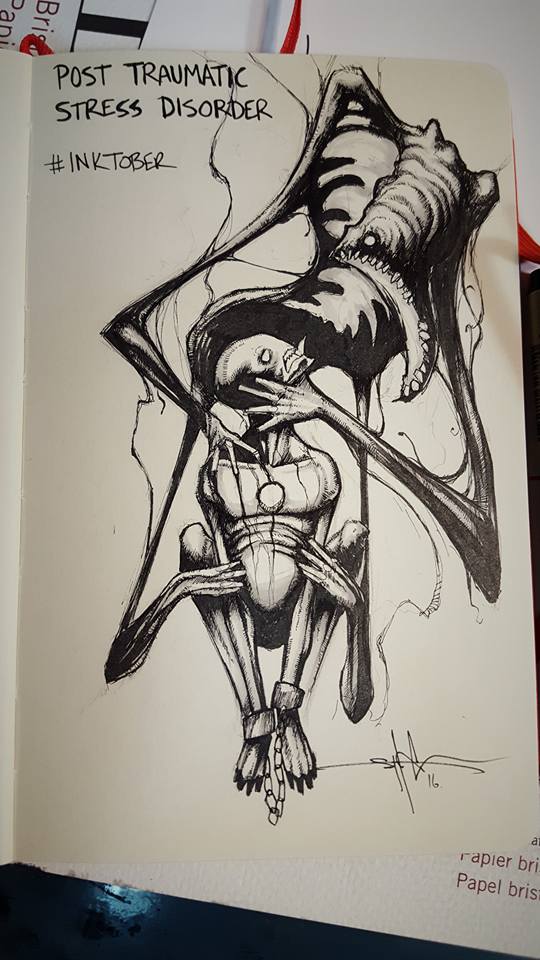
Symptoms of PTSD can begin around 3 months or later after the traumatic event. Doctors with experience with PTSD patients can diagnose you, but to be diagnosed, you have to show 1-2 of each of the different types of symptoms for longer than a month.
The different types of symptoms and some examples are as follows:
Re experiencing symptoms
Ex.
- Flashbacks—reliving the trauma over and over, including physical symptoms like a racing heart or sweating
- Bad dreams
- Frightening thoughts
(NIMH)
You must show at least one of these symptoms. These can cause problems in one’s everyday life. These can be triggered due to thoughts or feelings, or some words, objects, or situations that remind the person of the event.
Avoidance Symptoms
Ex.
- Staying away from places, events, or objects that are reminders of the experience
- Avoiding thoughts or feelings related to the traumatic event
(NIMH)
You must show at least one of these symptoms. Items or situations can trigger these symptoms. These can also cause a change in life and routine.
Arousal and Reactivity Symptoms
Ex.
- Being easily startled
- Feeling tense or “on edge”
- Having difficulty sleeping, and/or having angry outbursts
(NIMH)
You must show at least two of these symptoms. These are usually a constant issue and not a triggered happening. This can make the person very stressed and angry at everything. These can also make it very hard to do everyday tasks.
Cognition and Mood Symptoms
Ex.
- Trouble remembering key features of the traumatic event
- Negative thoughts about oneself or the world
- Distorted feelings like guilt or blame
- Loss of interest in enjoyable activities
You must show at least two of these symptoms. These can either begin or worsen after the traumatic event. These can make the person feel alienated from their friends and family.
Children and teens can react differently than adults. Children less than 6 years old can have symptoms such as
- Wetting the bed after having learned to use the toilet
- Forgetting how or being unable to talk
- Acting out the scary event during playtime
- Being unusually clingy with a parent or other adult
(NIMH)
Teens and children above the age of 6 usually show symptoms closer to those of adults, but they may not be as extreme. They may also become disruptive, disrespectful, or destructive. They also feel guilty for not being able to help prevent the situations. They could also feel the need for revenge.
There are risk and resilience factors for reasons people do and don’t get PTSD from traumatic experiences.
Risk Factors
- Living through dangerous events and traumas
- Getting hurt
- Seeing people hurt or killed
- Childhood trauma
- Feeling horror, helplessness, or extreme fear
- Having little or no social support after the event
- Dealing with extra stress after the event, such as loss of a loved one, pain and injury, or loss of a job or home
- Having a history of mental illness or substance abuse
(NIMH)
Resilience Factors
- Seeking out support from other people, such as friends and family
- Finding a support group after a traumatic event
- Learning to feel good about one’s own actions in the face of danger
- Having a coping strategy, or a way of getting through the bad event and learning from it
- Being able to act and respond effectively despite feeling fear
(NIMH)
There is research being done to find out the genetics and neurology associated with PTSD. With this research, we may be able to predict who is most likely to get PTSD in the future.
PTSD can be treated as follows.
Psychotherapy
This is also known as “talk therapy”. There are many different forms of this, but they all involve talking to a liscenced therapist. This can be in a one on one or a group setting. This usually lasts between 6 and 12 weeks, but can be as long as needed. Some psychotherapy is aimed towards the symptoms, while others focus on the aspects of and relationships in the person’s everyday life. These psychotherapies can also be combined
One kind of Psychotherapy is Cognitive Behavioral Therapy. This can include
- Exposure Therapy: This helps people face and take control of their fears. They are gradually exposed to their trauma in a safe way. This can be done through pictures, writing, or visits to the site of the traumatic event.
- Cognitive Restructuring: This can help people “make sense of the bad memories” (NIMH) Sometimes the brain changes details and blocks out certain parts of a traumatic event as a defense mechanism to, in a way, protect the person.
(NIMH)
Other forms of Psychotherapy can teach people how to react to triggering events in a better way. Different types of therapy may
- Teach about trauma and its effects
- Use relaxation and anger control skills
- Provide tips for better sleep, diet, and exercise habits
- Help people identify and deal with guilt, shame, and other feelings about the event
- Focus on changing how people react to their PTSD symptoms.
(NIMH)
Medications
The most common medications used to treat PTSD are antidepressants. These can help with symptoms such as sadness, worry, anger and numbness. Sometimes these can be prescribed along with Psychotherapy. Other medications can be prescribed to help with specific symptoms.
How to help a friend or relative suffering with PTSD
The most important thing you can do to help a friend or family member struggling with this is to help them get the right diagnosis and treatment plan. Help them and encourage them through their treatment. You can also
- Offer emotional support, understanding, patience, and encouragement.
- Learn about PTSD so you can understand what your friend is experiencing.
- Listen carefully. Pay attention to your relative’s feelings and the situations that may trigger PTSD symptoms.
- Share positive distractions such as walks, outings, and other activities.
- Remind your friend or relative that, with time and treatment, he or she can get better.
You should also always watch out for signs of suicidal thoughts. Never ignore comments made about wanting to die or being “better off dead”. You can always call the National Suicide Prevention Lifeline (1-800-273-8255) or 911 in the event of an emergency.
How to help yourself while struggling with PTSD
This may be very hard, but always know that there is always someone to help you and support you through your recovery. You can
- Talk with your doctor about treatment options.
- Engage in mild physical activity or exercise to help reduce stress.
- Set realistic goals for yourself.
- Break up large tasks into small ones, set some priorities, and do what you can as you can.
- Try to spend time with other people and confide in a trusted friend or relative.
- Tell others about things that may trigger symptoms.
- Expect your symptoms to improve gradually, not immediately.
- Identify and seek out comforting situations, places, and people.
(NIMH)
Where to go for help
Your doctor and family can help you find the resources that are right for you. Some places you can go are
- Mental health specialists, such as psychiatrists, psychologists, social workers, or mental health counselors
- Health maintenance organizations
- Community mental health centers
- Hospital psychiatry departments and outpatient clinics
- Mental health programs at universities or medical schools
- State hospital outpatient clinics
- Family services, social agencies, or clergy
- Peer support groups
- Private clinics and facilities
- Employee assistance programs
- Local medical and/or psychiatric societies
(NIMH)
More resources to learn about PTSD
- Visit the National Library of Medicine’s: MedlinePlus https://www.nlm.nih.gov/medlineplus/
- Learn about joining a research study at www.nimh.nih.gov/health/trials/index.shtml
- Search for information on clinical trials for PTSD at https://clinicaltrials.gov (search PTSD)
- Find additional information from NIMH online or receive paper brochures through the mail. You can order free NIMH publications online at www.nimh.nih.gov
- For the most up-to-date information on this topic, please check the NIMH website, www.nimh.nih.gov
(NIMH)
Sources
Source used for information: https://www.nimh.nih.gov/health/publications/post-traumatic-stress-disorder-ptsd/index.shtml
Source used for picture: https://imgur.com/gallery/rwDTF
 A Look Into Mental Health Issues